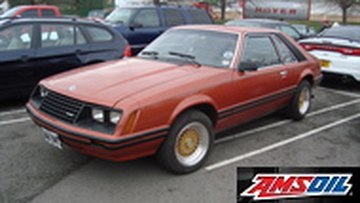
Lubrication Maintenance for the 1982 Ford MUSTANG 4.2L
Maintaining a vehicle from the early 1980s requires a proactive approach to fluid management and mechanical inspection. For owners of a 1982 Ford Mustang equipped with the 4.2L engine, consistent attention to lubrication systems is a fundamental aspect of long-term engine health. Because older engines may exhibit different sealing characteristics than modern counterparts, understanding how to monitor and respond to changes in lubricant condition is essential for effective ownership.
Monitoring Fluid Integrity and Potential Leaks
One of the most practical maintenance tasks for this vehicle involves regular visual inspections of the engine bay and undercarriage. Over time, various gaskets and seals may experience changes in elasticity or fit, which can lead to fluid seepage. When performing routine checks, it is useful to look for any signs of wetness around sealing surfaces or evidence of fluid residue on the underside of the engine components.
If you notice dark staining or fresh fluid pooling beneath the vehicle, this warrants further investigation. It is important to remember that a single symptom, such as a small drip, can be associated with several different components. Rather than attempting to diagnose a specific seal failure immediately, focus on identifying the source of the seepage. Keeping the engine area relatively clean can also make it much easier to spot new leaks before they become significant issues.
Observing Changes in Lubricant Condition
Beyond looking for external leaks, an owner should pay close attention to the physical state of the engine oil itself. The appearance and behavior of the lubricant can provide important clues regarding the internal environment of the engine. If you notice a change in the color or consistency of the oil during a routine check, this may indicate that the lubricant is reaching the end of its effective service life or has been subject to unusual operating conditions.
Unusual mechanical noises noticed shortly after an oil change, or changes in how the engine sounds during startup, should be investigated. While these symptoms can have multiple causes—ranging from simple sensor issues to more complex mechanical concerns—they are important indicators that the lubrication system requires professional attention. Additionally, if you observe any unusual exhaust smoke, it is advisable to have the vehicle inspected to determine if the lubricant is being introduced into the combustion process.
Prioritizing Maintenance Based on Vehicle History
For a 1982 Mustang, establishing a clear maintenance baseline is highly beneficial, especially if the full service history of the vehicle is unknown. If you have recently acquired the vehicle, your first priority should be to review any available repair records and documentation. This helps in distinguishing between routine preventive maintenance and necessary repairs that may have been deferred.
When records are incomplete, focus on addressing active concerns first. This includes investigating any visible leaks, responding to warning indicators, or addressing overdue service items identified through physical inspection. As the vehicle ages, your maintenance priorities may shift from purely preventative tasks to more frequent monitoring of aging materials. Rather than replacing components based solely on their age, use the current condition of the vehicle to guide your decisions. This approach allows you to focus resources on parts that actually show signs of wear or deterioration.
Managing Aging Engine Components
As vehicles from this era continue to operate, certain peripheral components require periodic inspection. If equipped, accessible drive belts should be examined for signs of cracking, glazing, fraying, or general surface deterioration. Similarly, if the vehicle is equipped with various rubber hoses, these should be checked for softness, swelling, or brittleness.
Electrical connections and wiring harnesses also benefit from regular inspection. Over several decades, heat cycles and environmental exposure can affect the integrity of connectors and insulation. Ensuring that electrical paths remain clean and secure can prevent intermittent issues that might otherwise be difficult to diagnose. By combining these visual checks with a consistent lubrication schedule, you can maintain a more stable operating environment for the 4.2L engine.
The Role of Clean Lubrication in Engine Longevity
Engine oil performs several vital roles that extend beyond simple lubrication. It acts as a medium for heat management by helping to carry thermal energy away from high-friction areas. Furthermore, modern lubricants are designed with additives that assist in deposit control, helping to prevent the buildup of sludge and other contaminants that can accumulate over time.
Maintaining clean oil is also important for protecting the engine during cold starts. When an engine is first turned on, the lubricant must be able to circulate effectively to provide immediate protection to internal components. Using a high-quality lubricant that meets the appropriate specifications ensures that these protective qualities are maintained throughout the entire service interval.
Practical Guidance for BUYING ENGINE OIL for your 1982 Ford MUSTANG 4.2L
When it is time to replenish your engine's lubrication, the most important step is to ensure the product you select matches the specific requirements of your application. Do not rely on general automotive knowledge or assumptions based on the vehicle's age to determine which oil to use. Instead, match the engine oil to the application-specific viscosity information already displayed on this page.
Before making a purchase, carefully check the product labeling to verify that the oil meets the necessary quality standards and certifications. Depending on your specific maintenance needs and the current condition of your engine, you may choose between conventional, synthetic blend, or full synthetic formulations. For engines with higher mileage, some high-mileage oil formulations contain additives intended for use in aging engines, including seal-conditioning additives. Always prioritize the viscosity and service grade listed in your vehicle's technical documentation to ensure optimal performance and protection.